
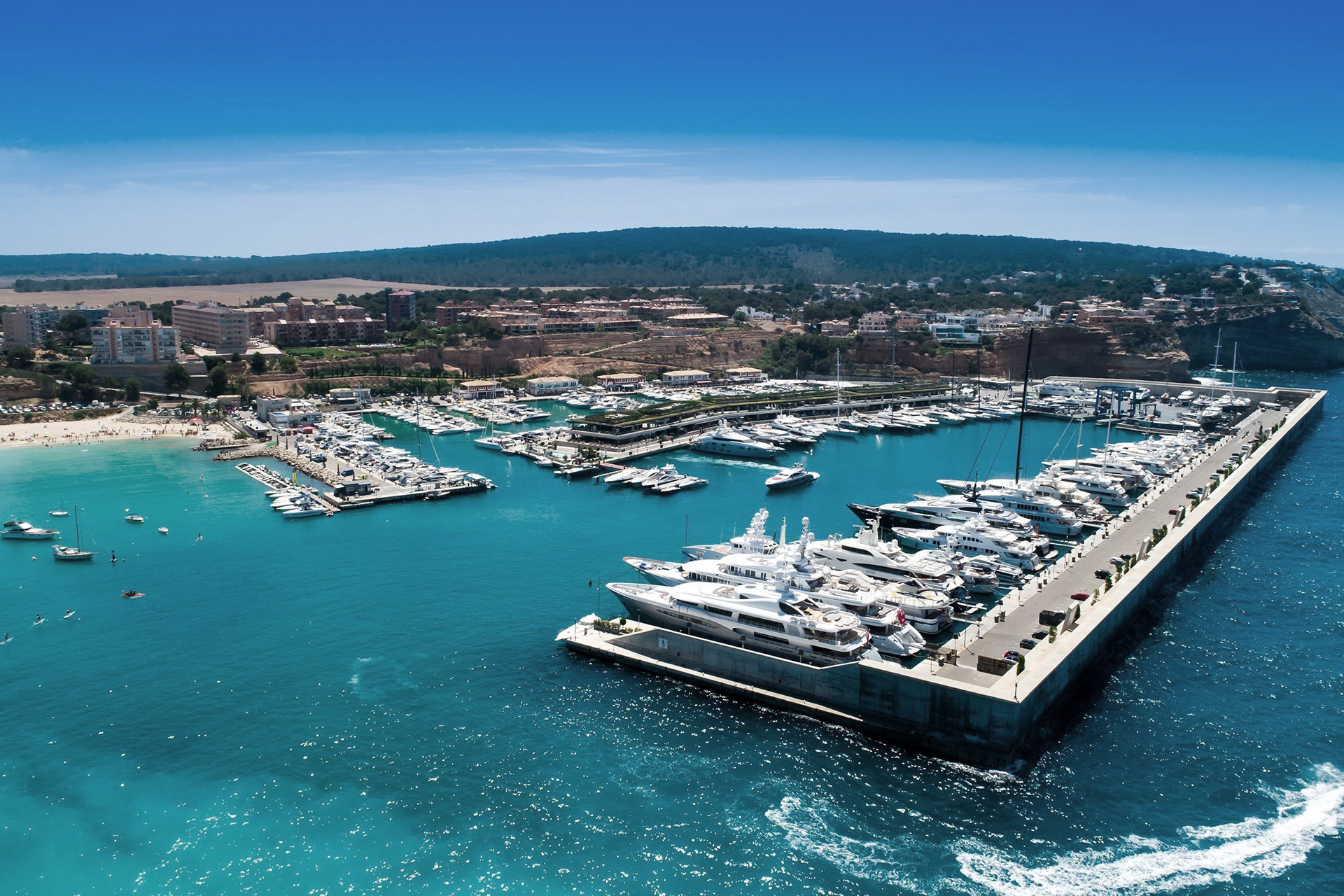
VIP briefing on the Balearic Islands in September 2026
Here is your exclusive VIP briefing on the Balearic Islands up to mid-September 2026. For the remainder of September 2026, the Balearic Islands will be showcasing top-class cultural events, traditional fiestas and world-famous club closing parties.
Mallorca – American cars, art, and wine, what else?
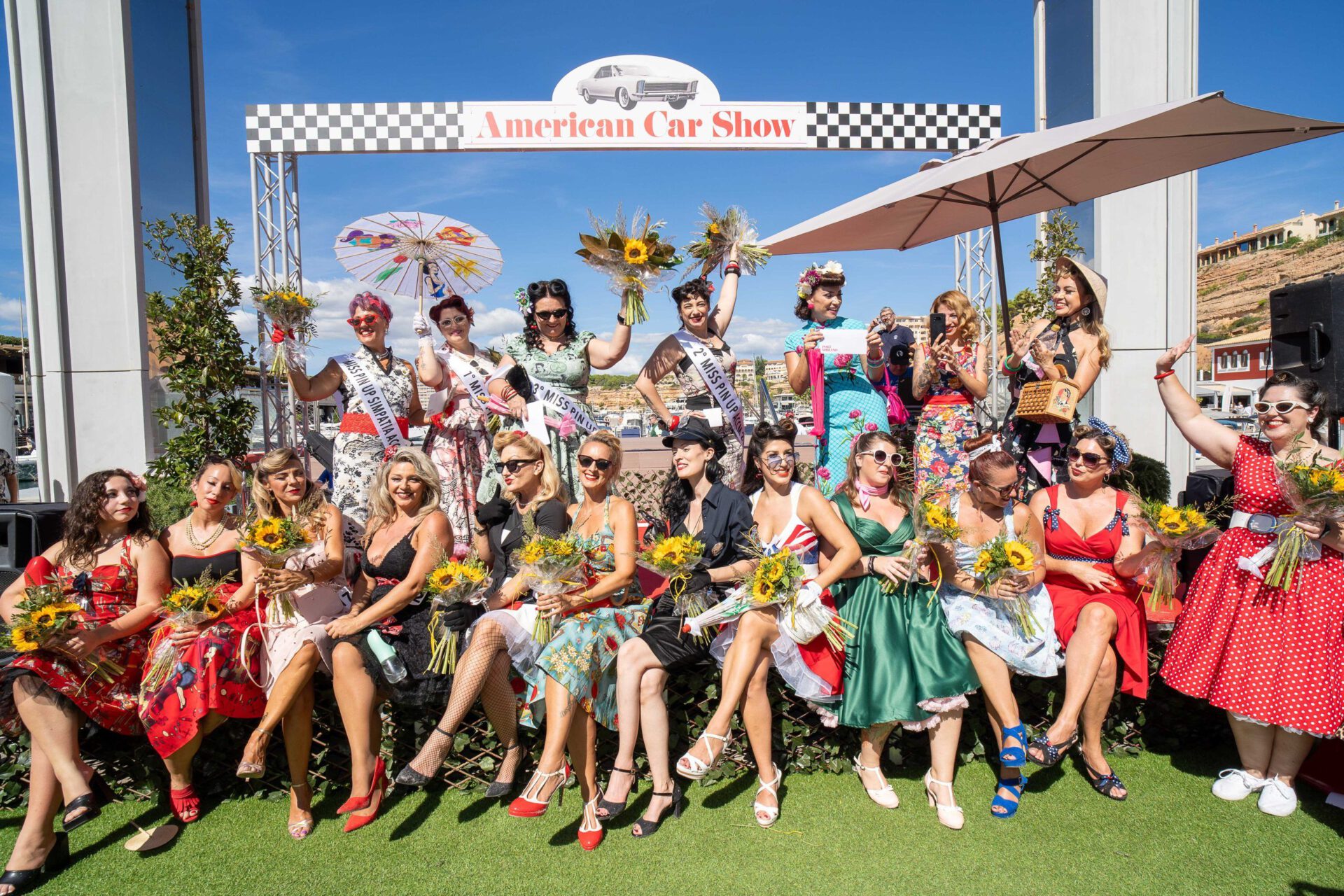
American Car Show
Sunday 13 September, 11 am to 3 pm
 Port Adriano, free entry
Around 80 American cars, rock ’n’ roll, pin-ups and a touch of Las Vegas will provide great entertainment on Sunday 13 September at Port Adriano in Mallorca, when the latest edition of the American Car Show is celebrated with live music, show acts, a Miss Pin-up contest, food trucks and a Las Vegas-style band. Port Adriano auf Mallorca für gute Unterhaltung, wenn die neue Ausgabe der American Car Show gefeiert wird mit Live-Musik, Show Acts, Miss Pin-up-Wettbewerb, Food Trucks und einer Band im Las-Vegas-Stil.
SUNKISSED Sunset Partys
If you’d like to round off the late summer in an elegant, jet-set atmosphere, book a table at the exclusive Lobster Club in Puerto Portals. The popular events, such as the session on 13 September 2026 from 5.30 pm, combine house music with views of the Mediterranean.
Mallorca Tattoo Convention
From 25 to 27 September 2026, the Palma Arena (Consorci Velòdrom Illes Balears) will be transformed into a hub for international body art. Over 200 of the world’s most renowned tattoo artists will gather here, and exclusive live sessions can be booked on the spot. Details on tickets and artists are available on Mallorca-Map.
Culture in the museum
For a more tranquil, intellectual evening’s entertainment on 25 September 2026, we recommend the exclusive piano recital by Alain Planès at the Fundació Miró Mallorca, where the acclaimed pianist will offer a fresh interpretation of the works of Erik Satie.
Festa des Vermar in Binissalem
The long-standing grape harvest festival runs until 28 September 2026. As well as exclusive wine tastings at the region’s bodegas, discerning visitors are particularly drawn to the pop-up dining experiences.
Ibiza – The countdown to the club closures
On the neighbouring island of Ibiza, the peak season for closing parties has begun, with the world’s leading clubs bidding farewell to their summer residencies with spectacular line-ups.
Ushuaïa & Hï Ibiza
The iconic open-air venue Ushuaïa continues to host Martin Garrix’s spectacular weekly shows in September, including on Thursday 10 September 2026. Directly opposite, at Hï Ibiza, HUGEL will be hosting his high-energy ‘Make The Girls Dance’ residency that same evening, featuring the very best in Latin and Afro-house in the Theatre.
Amnesia Closing Highlights
An absolute must-attend event for fans of electronic music is the official RESISTANCE Ibiza Closing Party on Wednesday 16 September 2026, headlined by Eric Prydz and Mind Against. Those who prefer harder trance and house sounds should not miss the long-running Godskitchen event on 26 September 2026 at Amnesia.
Pacha Finals
In September, the legendary Pacha is hosting a series of stylish nights, such as the Double Cherry event (every Wednesday at the Pacha Hotel), culminating on Tuesday 29 September 2026 in the grand TARAKA Closing Party hosted by underground heavyweight GORDO.
If you’d like a bespoke itinerary for your stay, please let us know. Email us at info@deluxemallorca.com is sufficient.
The big fiestas in Menorca
In September 2026, Menorca reveals its peaceful and traditional side, as the month brings the last major horse festivals and a festive finale to the heart of the island.
Festes de Gràcia in Mahón, also known as Maó
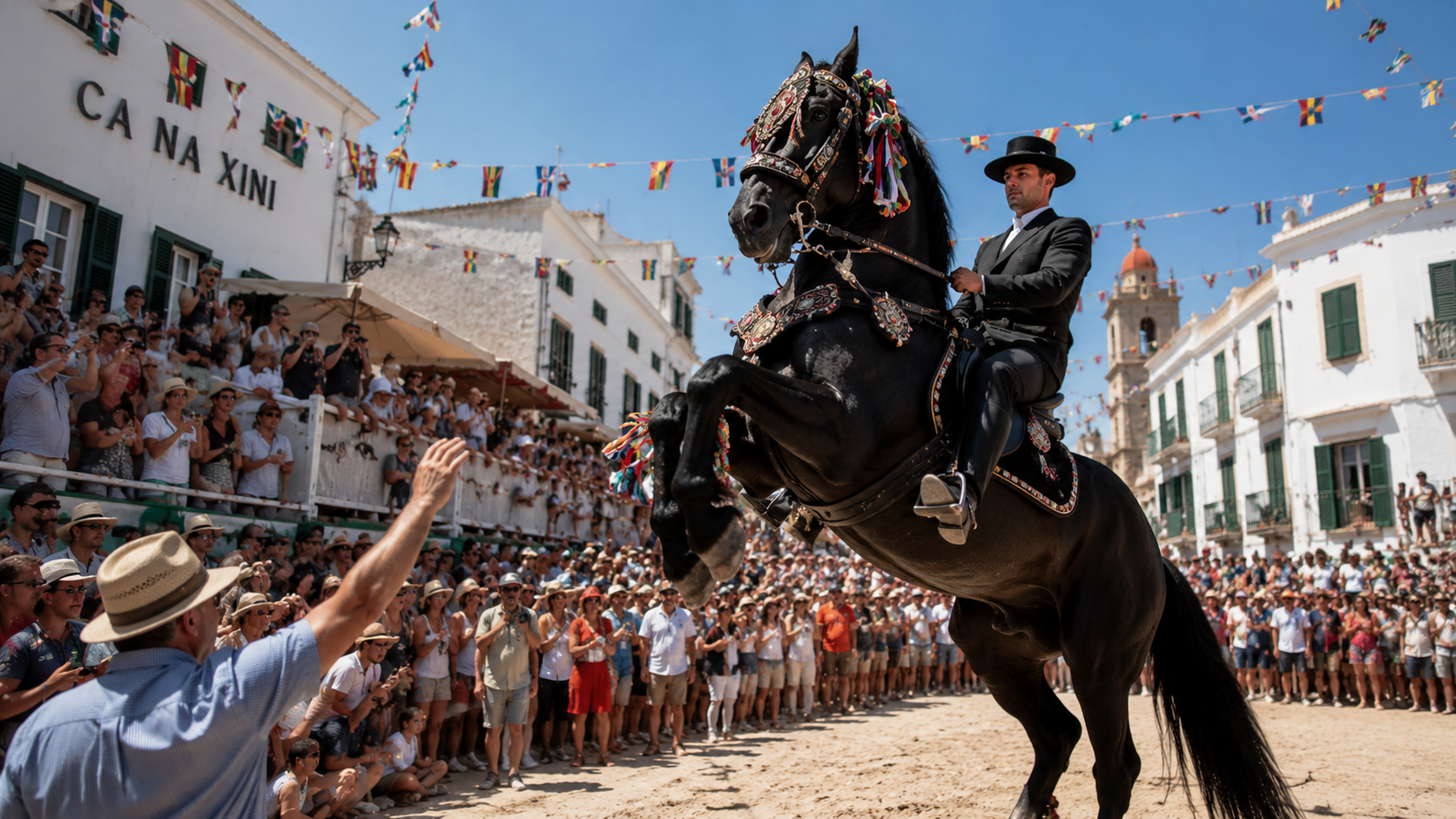
From 7th to 9th September 2026, the island's capital, Mahón, celebrates in honour of its patron saint. There are festive processions, music, and the famous Jaleo, where riders guide their horses right through the crowds.
Sant Nicolau in Es Mercadal / Monte Toro
Around 12th to 13th September 2026, the festival takes place at the foot of the island's highest mountain. Riders from all the villages gather here for the grand finale of the summer festivals.
Fiestas in Cala’n Porter und Alaior
On 19th and 20th September (Cala’n Porter) and 26th and 27th September 2026 (Alaior), the final traditional horse festivals (Caixers) of the season take place.
Segeltörn an den Buchten
As things quieten down, a private excursion along the unspoilt north or south coast is ideal. Providers such as Balearic Journeys organise exclusive boat trips with a private skipper.
Abendliche Bootsfahrt in Fornells
An evening boat cruise departing from Fornells offers a relaxing end to the day, with views of the sunset in the north.

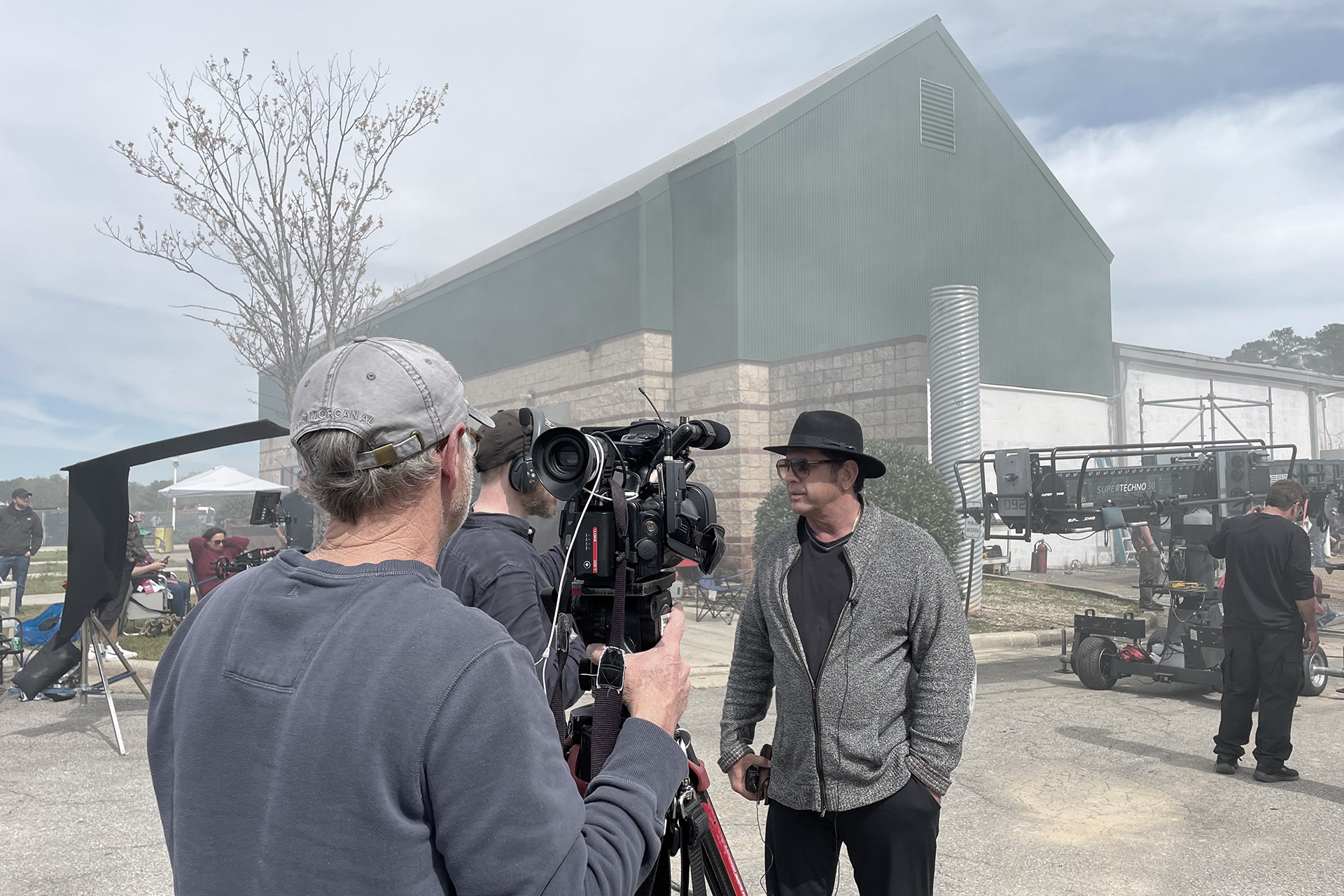
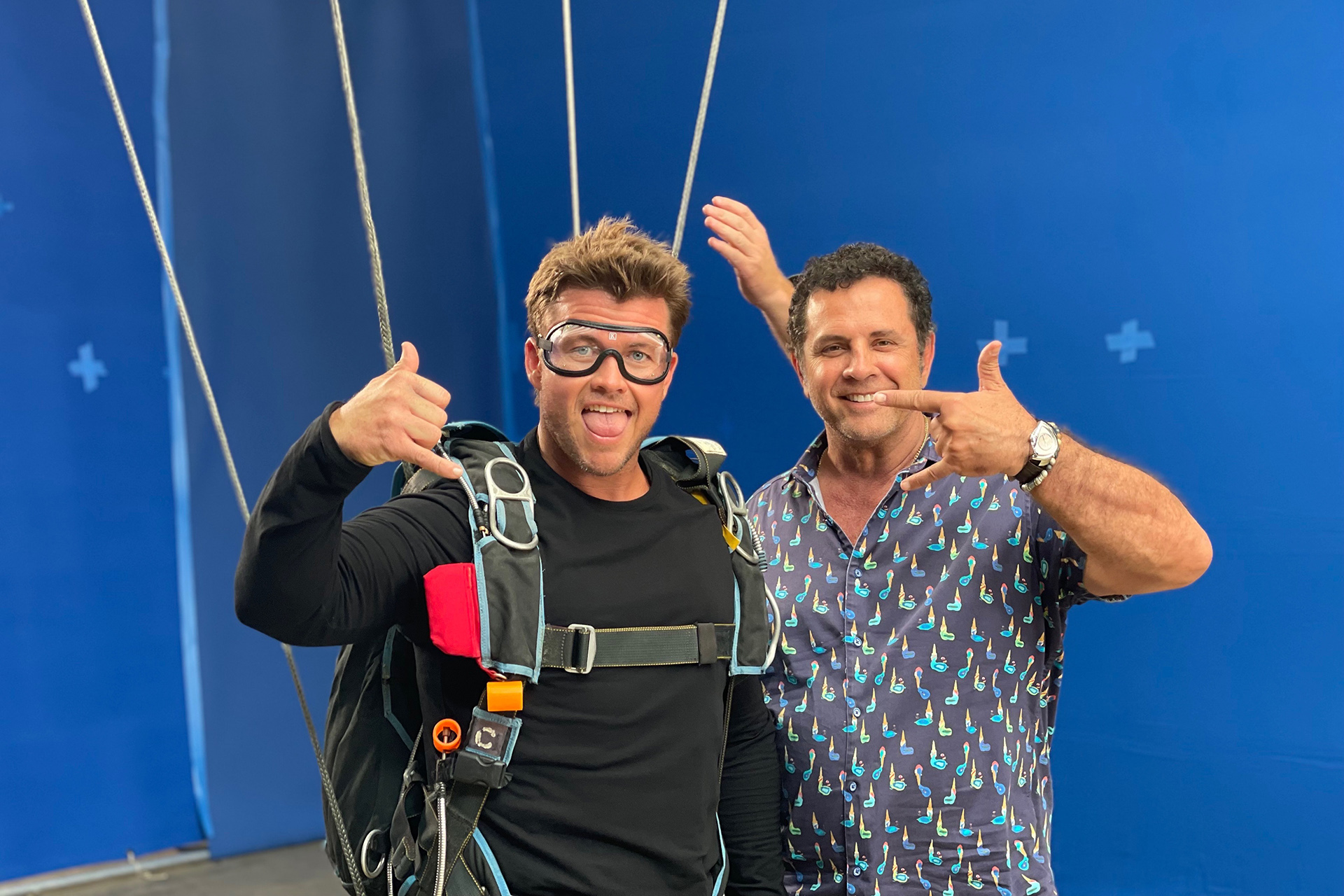
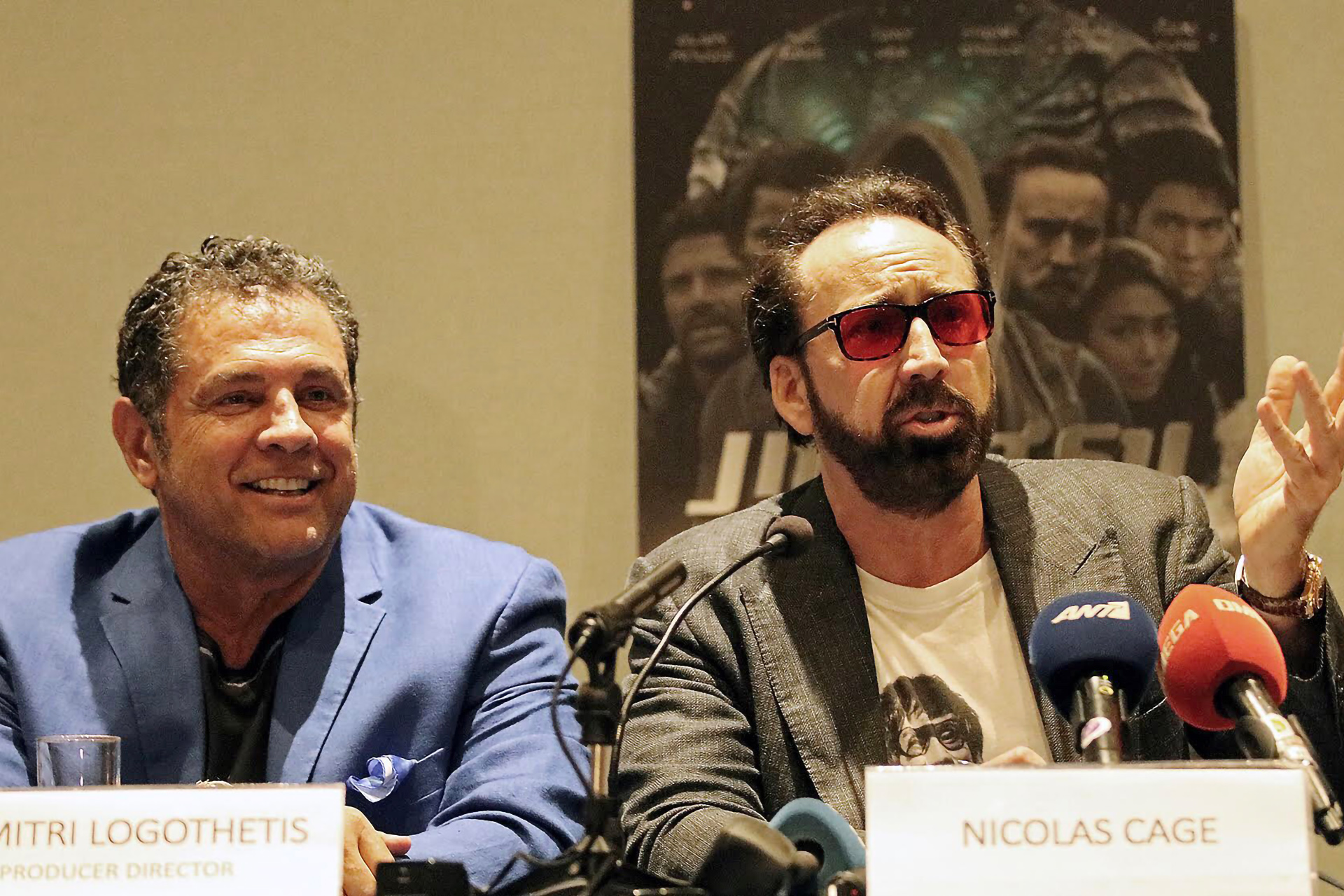
FilmHaus Award-Winner Dimitri Logothetis Announces New Heist Thriller
The Gunner director, awarded Best Action Drama in 2025, has hinted that one of Europe's most significant cultural treasures could become the target of an audacious cinematic heist. Dimitri Logothetis is planning his next project: a heist thriller set in Europe, which he has written and intends to direct himself. The Greece-born filmmaker, who now lives in Los Angeles, was awarded Best Action Drama for Gunner at the 2025 FilmHaus Film Awards.
Title and the exact target of the heist are still being kept under wraps. However, he is willing to drop a hint: the thieves are not after money.
The plot centres on a robbery of cultural treasures intended to be repatriated to Greece; filming will take place across several European countries. The prize, he says, is one of the world's most famous cultural artefacts, whose history holds particular significance for Greece.
‘If they pull this off, it would be the heist of the century,’ says Logothetis. ‘But what they want to steal — and why — is what makes the story interesting. It is not simply about getting rich.’ He refuses to say more. The story revolves around the ongoing debate over treasures stored far away from the countries claiming them. For a Greek-American filmmaker, this is a highly topical and sensitive issue.
Logothetis has dedicated his career to independent action cinema, working with actors who are also accomplished martial artists. He wrote, produced, and directed the studio-free Kickboxer reboot — Kickboxer: Vengeance and Kickboxer: Retaliation — bringing back Jean-Claude Van Damme as a combat mentor and casting Alain Moussi alongside martial arts world champions such as Dave Bautista, Georges St-Pierre, Gina Carano, and Mike Tyson. Two films have already been released. A third Kickboxer instalment is in the works. This meets the expectations of martial arts audiences.
Next came the science-fiction martial arts film Jiu Jitsu, starring Oscar-winner Nicolas Cage and Tony Jaa, followed by Gunner (2024), featuring Luke Hemsworth as a former Special Forces soldier who takes on a criminal organisation after his sons are kidnapped. Morgan Freeman stars alongside him.
Gunner has won more than 40 awards on the independent festival circuit, including Best Action Drama at the FilmHaus Film Awards (2025). Logothetis was also named Best Director at the London International Filmmakers Festival, alongside further directing accolades in Dublin, Tokyo, Hong Kong, Montreal, Palermo, and Los Angeles. The film won Best Action at the City of Angels Film Festival and the San Diego International Film Awards, as well as Best Feature and Best Picture in Prague, Florence, Oslo, Vancouver, and New York. Hemsworth was honoured as Best Actor at the FirstGlance Film Festival Los Angeles, while Freeman was named Best Actor at the Los Angeles Movie & Music Video Awards.
Watch the trailer for Gunner here

‘Working with Freeman and Hemsworth was great; they carry the film. The awards are a bonus. You might think nobody cares about independent action films — this proves the opposite.’
With that, the venture was made public: a heist spanning several European countries, cultural treasures, and a return to Greece. The film is set to be cast with European actors alongside well-known Hollywood names.
‘The best heists start with everyone thinking: that is simply impossible.’



Off to Menorca for the Jaleo in Sant Climent
The second Jaleo in Sant Climent was brought forward to August 2026 due to the intense heat. The festival day began earlier than planned so as not to expose the horses and participants to the high temperatures for too long.
The Jaleo is the traditional and emotional centrepiece of the patron saint festivals on the Balearic island of Menorca.
In this centuries-old ritual, which takes place in various villages during the summer from June to September, festively dressed riders – known as Caixers and Cavallers – ride spirited Menorcan horses straight into a dense crowd gathered in the market square. Driven by the rhythmic sounds of a live brass band, the riders make their horses rear up on their hind legs, in a manoeuvre known as ‘bots’. The audience’s task is to touch the horse’s chest with their hands and keep it standing on two legs for as long as possible. This is seen as a sign of courage, skill and absolute trust between man, animal and community.
The Jaleo de Sant Climent takes place every year on the third weekend in August in the small village of Sant Climent on the Balearic island of Menorca. DeluxeMallorca will take you there: simply send enquiries to info@deluxemallorca.com now.
History and distinctive features of Balearic horsemanship
In the Balearic Islands, particularly on the neighbouring island of Menorca, dressage is a deeply rooted part of the culture and a vibrant part of the island’s identity. The tradition of horse riding dates back to the 14th century, when a coastal defence system was established under King Jaume II. The riders patrolled the famous Camí de Cavalls, the ‘horse path’, which circles the island. From this military tradition, a distinct and proud breed of horse developed: the Cavall Menorquí, the Menorcan horse. These jet-black stallions are characterised by their strength, elegance and an exceptionally courageous and calm nature.
The most distinctive feature is the Doma Menorquina, or Menorcan dressage. It differs from classical dressage in that it involves very specific movements. Traditionally, the reins are held only in the left hand. The showpiece discipline is the ‘Bot’: the horse rears up on its hind legs and strides several metres through the applauding crowd.
The traditional fiestas
-
Sant Joan in Ciutadella, Menorca: The island’s largest, oldest and most spectacular festival takes place every year on 23 and 24 June. It is of international tourist interest.
-
Sant Martí in Es Mercadal: mid-July, on 20 and 21 July. Slightly smaller than Ciutadella, but lively.
-
A summer of festivals until September: every village in Menorca holds its own horse festival in chronological order. The Fiestas Menorca calendar provides a complete overview.
Anyone wishing to experience these unique fiestas can book a trip to the islands via info@deluxemallorca.com.
Balearic Islands 2040: An economy beyond mass tourism
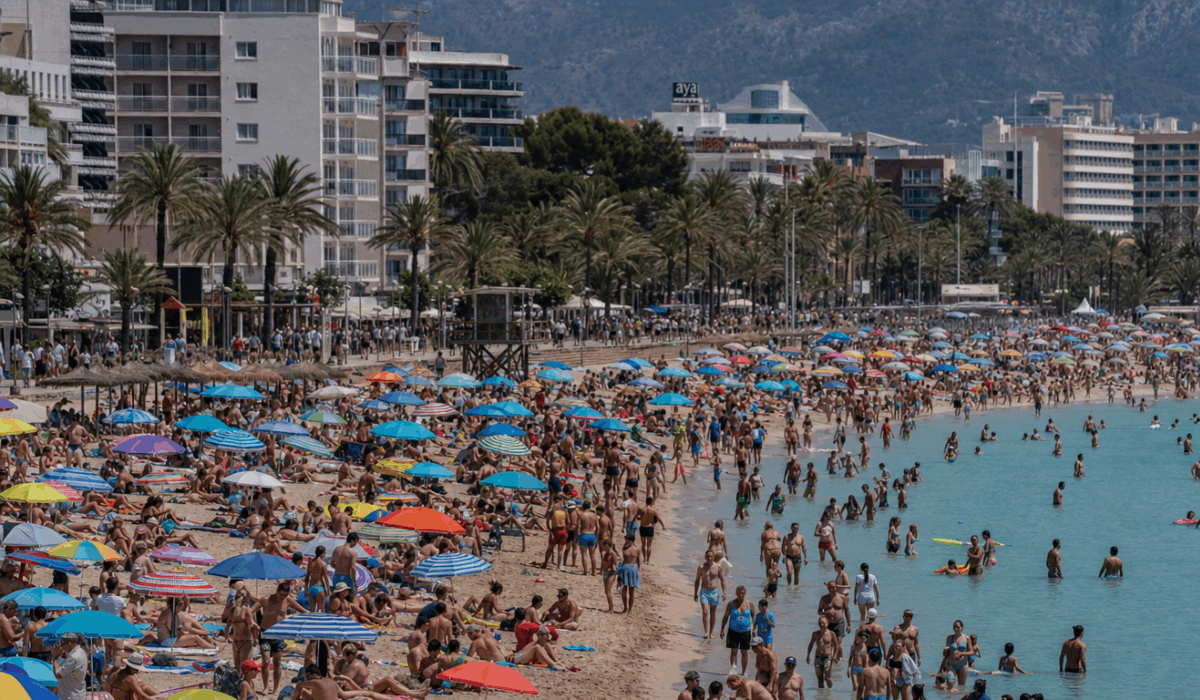
Over the past 15 years, the Balearic Islands have generated their income according to a simple principle: growth through volume and premiumisation. Driven by low-cost airlines, new visitor records were constantly being set – most recently, over 14 million guests travelled to the islands each year. The money flowed primarily into the coffers of the catering and hotel sectors. To generate more revenue per capita, investors converted standard hotels into 4- and 5-star oases. At the same time, the property market boomed. Foreign capital bought fincas and flats as speculative investments or holiday accommodation. The result was record revenue for the state from the tourism tax – also known as the ‘Ecotasa’ – and land transfer taxes, whilst at the same time locals were being squeezed out of the housing market.
The paradox of the protests: the target is one’s own state
The current mass demonstrations on the streets of Palma are directed against ‘overtourism’. At their core, they are a powerful signal from the public calling for long-overdue structural change. The residents are demanding a reduction in tourism and, in doing so, are urging politicians to pursue bold, future-proof economic alternatives. The protests are a mandate for the government to place the islands’ prosperity on a broader, crisis-proof footing – as the starting point for a joint effort to transform the Balearic Islands from a purely holiday destination into a modern, diversified living and economic space of the 21st century. Sectors outside tourism, such as IT, research or the green industry, can now be supported through tax incentives or structural measures.
US Direct Flights as a Catalyst
The launch of direct flights between the US – specifically from New York to Mallorca – has attracted a new clientele since 2022. Hotels and property prices have adjusted to the influx of affluent guests. From an environmental and social perspective, the summer rush has since proved almost impossible to manage. Mallorca has reached its breaking point. To prevent collapse, the Balearic Islands can learn from destinations that have successfully diversified their appeal.
Option A: The ‘Iceland-Silicon Valley’ model
The strategy: to actively attract digital companies, fintechs, iGaming and crypto firms by providing legal certainty and tax incentives.
Mallorca can learn from Malta how a geographically isolated island nation can build new, year-round industries through radical digitalisation and smart legislation. Malta faced a similar challenge: it was heavily dependent on tourism. Today, the country generates a significant proportion of its economic output through digital services, technology and international companies.
Four Malta-inspired strategies for Mallorca
1. Introduce tax incentives for tech companies
• Malta attracts international companies through what is known as the ‘full imputation system’. Whilst the standard corporation tax rate stands at 35 per cent, foreign shareholders can reduce the effective tax rate to as low as 5 per cent through tax refunds.
• As Mallorca is part of Spain, it cannot set its own tax rates entirely independently. However, the Balearic Islands Government can make full use of existing Spanish legislation for start-ups and, within the framework of EU rules for island regions, position the Balearic Islands as a special economic zone offering maximum tax incentives.
2. Building niche ecosystems
• The Malta Gaming Authority (MGA) was one of the first regulatory bodies in the world to establish clear, robust regulations for online gambling. This attracted hundreds of companies, which not only opened offices but also brought highly skilled workers – such as IT developers, lawyers and data analysts – to the country. Similar regulatory frameworks for blockchain and fintech companies followed later.
• Mallorca could play a pioneering role in another promising niche: renewable maritime tech (Blue Tech) and PropTech (property technology). A specialised Balearic regulatory body could attract start-ups from around the world wishing to test environmental technologies for the maritime sector in the Mediterranean.
3. Focus on ‘digital nomads’
• Malta was an early adopter of the Nomad Residence Permit. In addition, the entire island has been equipped with comprehensive high-speed internet coverage (5G and fibre-optic). Malta is actively marketing itself as a year-round workplace for European employees.
• Mallorca has excellent transport links thanks to its airport, but lags behind in terms of digital infrastructure in the island’s interior. The goal for 2040 could be: combining co-living with tradition. With government support, unused land in the interior will be transformed into tech-focused co-working hubs. This will take the pressure off the coast and bring spending power to the villages – all year round.
4. Transformation of local service providers
• The arrival of tech companies in Malta has created a demand for highly specialised local services. Within just a few years, local lawyers, tax advisers and agencies have developed from generalists into international experts in digital law and tech compliance.
• The approximately 50 per cent of Mallorcans who currently work in administration, law and local tourism services could be retrained in a targeted manner. By 2040, a lawyer in Mallorca will no longer be primarily involved in the sale of holiday homes, but will instead be advising international tech start-up founders on EU-wide expansion.
Option B: The ‘Blue Economy & Marine Hub’ model, modelled on Hawaii
The strategy: to capitalise on the geographical location to conduct research into climate change, clean energy and marine biotechnology.
Mallorca can learn from Hawaii how a world-famous island destination has transformed its geographical isolation from an economic disadvantage into a global competitive advantage. Hawaii faced the same challenge: a reliance on mass tourism and vulnerability to global crises. The response of this US state in the Pacific was the targeted development of an innovation-driven ‘Blue & Green Economy’.
Hawaiian strategies for Mallorca
1. Using the sea as a laboratory with marine biotechnology and blue tech
• Through the Natural Energy Laboratory of Hawaii Authority (NELHA), the island is harnessing deep-sea water for groundbreaking innovations. This is giving rise to thriving industries in sustainable aquaculture, marine biotechnology (e.g. algae research for biofuels) and pharmaceutical products derived from the ocean.
• The Mediterranean Sea surrounding the Balearic Islands offers the perfect testing ground. By 2040, Mallorca could become the leading centre for research into and the protection of marine ecosystems in the Mediterranean region. Rather than viewing the sea merely as a picture-postcard backdrop for holidaymakers, research clusters are emerging that develop and export globally technologies for CO₂ storage in the sea, for the conservation of Posidonia seagrass meadows, and for microplastic-free aquaculture.
2. Radical decarbonisation of the maritime sector through the Eco-Maritime Hub
• Hawaii has legislated a commitment to using 100 per cent clean energy across the entire transport and energy sectors by 2045. This is forcing the maritime industry to make massive investments in electric and hydrogen propulsion systems.
• Mallorca is already the undisputed shipyard and yachting hub of the Mediterranean. This existing infrastructure will undergo a radical transformation by 2040. The island is introducing strict environmental regulations for ports, but in return offers state-of-the-art infrastructure for electric yachts and hydrogen propulsion systems. Local shipyards will no longer merely carry out repairs, but will become pioneers in eco-friendly shipbuilding and refitting. This will generate well-paid, year-round jobs in engineering and skilled trades.
3. Establish the principle of ‘regenerative tourism’
• Hawaii coined the term ‘Malama Hawaii’ – an invitation to travellers to give something back to the island. Tourists play an active part in planting trees or cleaning up reefs. At the same time, a significant proportion of tourism levies goes directly towards state-funded environmental and agricultural projects.
• The Balearic Islands are transforming the existing tourism tax (Ecotasa) into a genuine ‘regeneration fund’ by 2040. Every summer visitor will directly and transparently fund specific projects: the reforestation of the Tramuntana mountains, water desalination using solar energy, or subsidies for local farmers. Tourists will go from being mere consumers to active supporters of ecological change.
4. Cleantech self-sufficiency in water and energy
• Due to its isolated location, Hawaii is investing heavily in decentralised energy storage, geothermal energy and smart water cycles in order to become independent of expensive oil imports from the mainland.
• Mallorca suffers from acute water shortages in the summer and imports fossil fuels. By 2040, the island could become a real-world testing ground for island self-sufficiency. Expanding green hydrogen production and innovative, solar-powered seawater desalination plants will make the Balearic Islands more self-sufficient. The expertise developed for this purpose is a valuable export for other coastal regions around the world threatened by drought.
Option C: The ‘Smart Circular Economy Island’ model, as seen in Iceland and Singapore
The strategy: self-sufficiency in critical infrastructure relating to energy, water and waste.
Mallorca can learn from Iceland and Singapore how an island region can transform existential resource crises into a globally exportable model of success through a consistent circular economy and technological self-sufficiency. Both countries faced massive geographical constraints: Iceland, isolated in the North Atlantic; Singapore, an extremely densely populated city-state with no resources of its own. Both prove that keeping waste, water and energy within a circular system creates the world’s most crisis-resilient economy.
Strategies for Mallorca 1. ‘Waste-to-Wealth’ – waste as a source of raw materials, modelled on Singapore
• As Singapore has no space for landfill sites, almost all household waste is incinerated in state-of-the-art facilities to generate electricity. The ash is used for land reclamation. Furthermore, the country recycles electronic and industrial waste at one of the highest rates in the world.
• In summer, Mallorca suffers from crowds of tourists. By 2040, the island will have made the transition from waste disposal to resource recovery. The existing Son Reus waste-to-energy plant will be expanded into a circular energy and raw materials centre. A binding ‘zero-waste’ law will require the hotel industry to convert 100 per cent of organic waste into biogas for use in the island-wide public transport system. Plastic and packaging waste will be upcycled on site into new, durable building materials for the local property sector.
2. The closed-loop water system – ‘NEWater’, modelled on the Singapore system
• Historically, Singapore has been dependent on water imports from Malaysia. With its NEWater technology, the government has developed a system that transforms wastewater into ultra-pure drinking water using advanced membrane and UV technology. Today, this recycled water meets a large proportion of the country’s needs.
• Falling groundwater levels are Mallorca’s greatest threat. The island will have implemented a closed-loop system by 2040. Not a single drop of treated wastewater may be discharged into the sea without being reused. It will be purified using state-of-the-art filtration systems and channelled directly into agriculture for smart drip irrigation or to replenish underground aquifers. Hotels will be legally required to operate their own greywater recycling systems for toilet flushing and garden irrigation.
3. Cleantech and geothermal symbiosis modelled on Iceland
• Iceland harnesses its volcanic activity to generate 100 per cent green energy. The key feature is the ‘Resource Park’ concept centred around the geothermal power stations: the waste heat and CO₂ from the power station are channelled directly to neighbouring high-tech greenhouses, fish farms and cosmetics companies. Nothing is wasted.
• Although Mallorca has no volcanoes, it does have an inexhaustible supply of solar energy and biomass. By 2040, integrated cleantech business parks could be established in the island’s interior, such as around Inca or Manacor. Large-scale photovoltaic plants will generate electricity and green hydrogen during the day. The waste heat produced in the process will be used directly for industrial drying processes, such as in the local almond and carob processing industries, or to power seawater desalination plants.
4. Agro-tech & vertical farming for food self-sufficiency
• Under its ‘30 by 30’ strategy, Singapore aims to produce a third of its own food by 2030 – using minimal space through vertical farming, hydroponics and robot-controlled greenhouses.
• Today, the Balearic Islands import over 80 per cent of their food from the mainland, whilst Mallorcan fields lie fallow. By 2040, the islands will be able to revitalise their agricultural sector through agro-tech. By combining traditional permaculture with modern, solar-powered greenhouses in the island’s interior, Mallorca will become a premium supplier of organic produce for the whole of Europe in winter and will be self-sufficient in supplying its own visitors in summer. The craft sector specialises in the installation and maintenance of these agricultural technologies.
Vision for the Balearic Islands 2040
The way forward is to “use the tourism infrastructure to diversify the economy”. Revenue from the remaining – controlled and scaled-back – tourism offerings could be channelled into developing the tech and environmental sectors. Vision 2040 does not view tourism as an adversary, but as a strategic partner in the process of change. The nearby Spanish city of Barcelona has been capping the number of summer visitors since 2026; it seems there is no way around this measure for the Balearic Islands either.
The latest European studies highlight where Europe’s economy is facing bottlenecks. Reports from the European Commission (EU Shortage Occupations Report) and the Eurofound research foundation show that over 80 per cent of European companies are suffering from a shortage of skilled workers in strategic sectors of the future. Thanks to their pleasant climate and excellent infrastructure, the Balearic Islands hold enormous appeal for European talent. The islands are well-suited as a location for addressing European challenges in three growth sectors.
1. ICT, AI and cyber security: The digital bottleneck
• According to the EU report on skills shortages, there is a shortage of IT developers, data analysts, AI specialists and cyber security experts in 25 European countries, including Germany, Ireland and the Netherlands.
• Highly qualified tech specialists are increasingly choosing where to live based on quality of life – talent attraction. If the Balearic Islands government establishes special tax zones as part of the new EU initiatives on tech sovereignty, tech conglomerates will be able to open European research and development centres there. The Balearic Islands are attracting the European tech elite to the islands.
2. Green Tech & Net-Zero Engineers: Towards the Energy Transition
• Reports from Eurofound show that the transition to a climate-neutral economy (Green Deal) is being held back by a shortage of engineers specialising in renewable energy, environmental technology and the circular economy.
• Islands are concentrated real-world laboratories. Europe needs test beds for decentralised energy systems, smart grids and carbon-neutral water technologies. As part of the EU’s Net-Zero Industry Academies programme, the Balearic Islands can position themselves as a pan-European testing and training hub for cleantech. Solutions developed here for solar power and water efficiency can be exported throughout the Mediterranean region, which is threatened by drought.
3. Marine biotechnology: the blue economy
• As part of the OceanEye initiative, the European Commission is driving forward research into the world’s oceans to strengthen Europe’s maritime sovereignty. There is a lack of centres that combine marine biology with economic applications in the pharmaceutical sector, algae-based biofuels and sustainable aquaculture.
• Mallorca boasts first-class maritime infrastructure, such as marinas and shipyards. Through the expansion of research facilities in collaboration with the University of the Balearic Islands (UIB), the island has the potential to become the southern hub for European marine research.
Dangerous encounters: What globetrotters should know
It’s a phenomenon we see time and again amongst modern nomads: globetrotters who spontaneously book the next first-class flight halfway around the world without first taking a moment to familiarise themselves with the flora and fauna of their destination. They pack the latest resort wear collection, but forget that, climatically – and biologically – the jungles of Indonesia are not exactly next door to the Lüneburg Heath. An understanding of the destination and an awareness of the potential dangers lurking beyond the infinity pool are part of the unwritten code of stylish travel. Only those who know how to react to an unexpected encounter can move with confidence on the global stage.
Anyone seeking the absolute untouched beauty of nature must also accept its extremes. If you look at the five most poisonous animal species in the world, it quickly becomes clear that the most fascinating settings often harbour the deadliest secrets:
- The Box Jellyfish in the waters of northern Australia: In the shallow, turquoise waters of the Australian Outback, the world’s most venomous creature drifts silently. Its tentacles command absolute respect – a single encounter with this transparent phantom can prove fatal within minutes.
- The Inland Taipan in the heart of Australia: The world’s most venomous land snake shuns the spotlight, concealed within the cracked clay soils of the Australian desert. A solitary survivor with a level of toxicity beyond imagination.
- The Golden Poison Frog on Colombia’s Pacific coast: Deep in Colombia’s dense, emerald-green rainforest, this tiny frog glows like a jewel. Yet its skin carries the most deadly poison found in the vertebrate world – a single touch is enough.
- The Blue-Ringed Octopus in the Indo-Pacific: From the Philippines to Bali, a psychedelic-looking marvel lurks in picturesque tidal pools. When its blue rings begin to pulse, it is not an invitation but a final warning of a highly potent neurotoxin.
- The Geography Cone Snail in the Indian Ocean: Anyone searching for souvenirs along the white sands of tropical reefs could easily overlook this architecturally perfect snail. Its invisible harpoon makes it the ocean’s most elegant danger.
Yet you do not have to fly to the most remote corners of the world to learn to respect nature. Even on the nearby, sun-drenched Balearic Islands, wildlife demands our attention. Mallorca and Ibiza are synonymous with carefree Mediterranean living, but anyone exploring their hidden coves and pine forests shares this paradise with creatures that have perfected the art of defence.
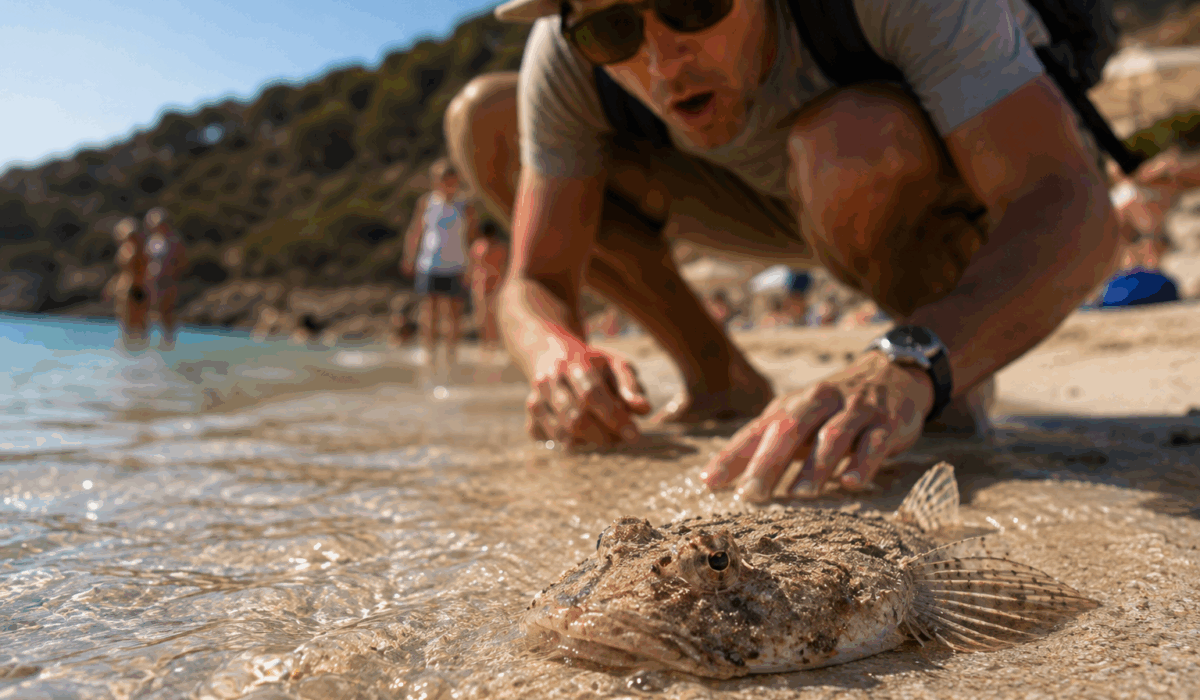
In spring, the pine processionary caterpillar moves through the island’s interior in long, winding lines – its fine hairs are highly allergenic to both humans and pets. When diving into the crystal-clear Mediterranean, your gaze should not be reserved solely for the yachts, but also for the Portuguese man o’ war and the pulsing mauve stinger jellyfish that appear in midsummer, whose sting can bring a beach holiday to a painful end. And those seeking the tranquillity of the Tramuntana mountains on a hike might encounter the elusive black widow or the perfectly camouflaged weever fish in the shallow sandy waters.
The Balearic Islands’ toxicity ranking ranges from spider bites to stinging tentacles in the azure waters. The archipelago’s wildlife is by no means comparable to the deadly extremes of Australia, yet our curated list of the ten most venomous species calls for respectful distance. We have also included first-aid measures, so that in an emergency, you can act swiftly and confidently.
- Toxicity: Very high (necrotic).
- Habitat: Rock crevices, caves, cellars and abandoned fincas.
- First aid: Keep the affected area immobilised and cool the bite immediately to slow the spread of the tissue-destroying venom. Thoroughly disinfect the wound and seek medical attention without delay; early treatment can help prevent severe tissue damage. auf; eine frühzeitige Behandlung verhindert schwere Gewebeschäden.
- Toxicity: High (systemic).
- Habitat: Open sea; washed ashore on the beaches of Mallorca and Ibiza after storms in spring.
- First aid: Never rinse with fresh water or alcohol, as this can trigger undischarged stinging cells. Rinse the skin exclusively with seawater and carefully scrape off any remaining tentacles with a credit card or a Stingblade (something watersports enthusiasts should always carry). Seek emergency medical assistance immediately (112).
- Toxicity: High (neurotoxic).
- Habitat: Dry, low-growing scrubland inland and beneath stones.
- First aid: Remain calm to keep your heart rate low and keep the affected limb still. Clean the bite with an antiseptic and seek medical attention at the nearest hospital or from a doctor on the island to have any pain symptoms treated medically.
- Toxicity: Moderate to high (intensely localised).
- Habitat: Buried in shallow, sandy water directly off popular beaches.
- First aid: The venom is heat-sensitive (thermolabile). Immerse the foot in water as hot as can be tolerated for at least 30 to 60 minutes (approximately 45°C) to break down the venom’s proteins. Carefully remove any remaining spines with tweezers.
- Toxicity: Moderate (mildly venomous)
- Habitat: Dry scrubland, olive groves and sunny pathsides.
- First aid: As the venom fangs are located deep in the throat, genuine envenomation is rare. Wash the bite with soap and disinfect it thoroughly to prevent secondary infection. A cooling cream can help relieve swelling.
- Toxicity: Moderate (mildly venomous).
- Habitat: Beneath stones or in the old masonry of historic fincas.
- First aid: Treat the bite like a bee sting. Disinfect the affected area, cool it with an ice pack and, if necessary, apply a mild antihistamine gel to soothe itching.
- Toxicity: Moderate (allergenic)
- Habitat: On the forest floor beneath pine trees in late winter and spring.
- First aid: Never touch the caterpillars or their nests. If contact occurs, change your clothes immediately and wash them at 60°C. Take a hot shower and wash your hair thoroughly. Do not scratch, as this can drive the urticating hairs deeper into the skin; instead, use a cortisone cream.
- Toxicity: Moderate (locally burning).
- Habitat: Open sea; in midsummer, it can drift into swimming coves with onshore winds.
- First aid: Rinse the skin with seawater (never fresh water!). Apply dry sand or shaving foam to the affected area and, once dry, carefully scrape off any remaining material with a Stingblade or credit card. An antihistamine gel can help relieve the burning sensation.
- Toxicity: Low.
- Habitat: Beneath dry wood, stones or in crevices in natural stone walls.
- First aid: Clean the sting site and cool it immediately with ice to minimise swelling. An electronic sting-healing device (heat pen) may help to interrupt the transmission of pain signals. Monitor your body for rare allergic reactions.
- Toxicity: Low (danger primarily for those with allergies).
- Habitat: Nests high in tree canopies or on buildings.
- First aid: Calmly move away from the nest’s range. Cool the sting over a large area. If you have a known insect venom allergy or experience symptoms such as breathing difficulties or dizziness, call the emergency services.
When our Deluxe Mallorca editor-in-chief spent her very first day on the beach on the island in the early 2000s, no one could have imagined that the afternoon would end abruptly with a jellyfish sting affecting one of her closest friends. Back then, few people had what today belongs in every well-equipped beach bag.
“Today, we recommend Stingblade as a must-have for a Balearic holiday.”
This smart gadget precisely scrapes microscopic stinging cells from the skin after contact with jellyfish or the Portuguese Man o’ War, without activating them through pressure. Combined with the correct heat treatment (as with the Greater Weever), it helps you stay in control on the beach – whatever the sea may wash ashore.
True luxury today is no longer simply about being in the most exclusive places in the world. It is about moving through them with the knowledge and respect of an explorer. Make sure you are well informed before you travel – so that every encounter with nature remains a privilege rather than becoming a danger.
Rissagas in the Balearic Islands – an unusual August 2026
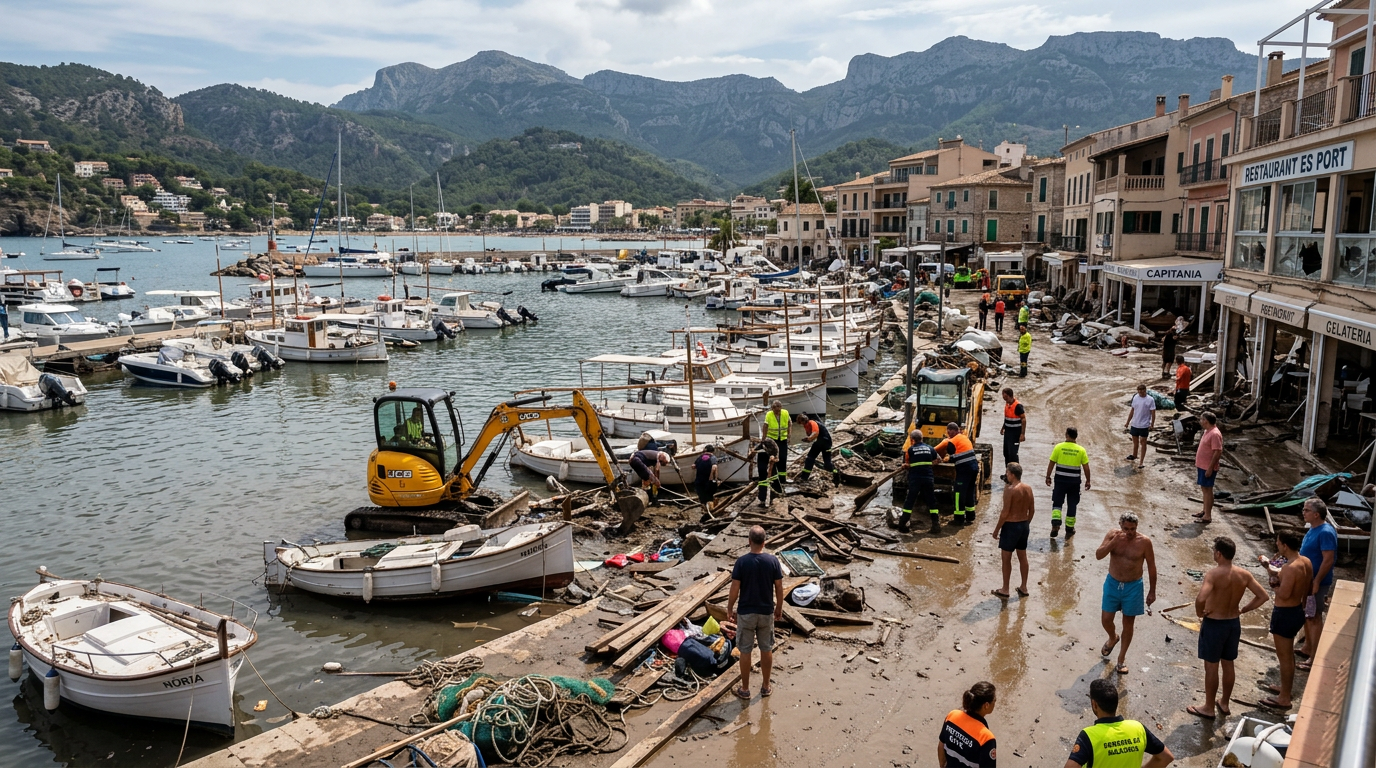
August is one of the months when people in the Balearic Islands pay particular attention to rissagas. A ‘rissaga’ is neither ordinary swell nor a classic tsunami: it is caused by rapid changes in air pressure and atmospheric gravity waves, often associated with thunderstorms. If the disturbance encounters a bay or harbour that is susceptible to it, the movement of the sea level there can intensify significantly.
August 2026 saw an unusual spate of ‘meteotsunamis’ in the Balearic Islands. The phenomenon was particularly evident on 24 August 2026: in Mallorca, tidal surges were observed in Port de Sóller and Port d’Andratx. At the same time, warnings were in place in Menorca for sea-level fluctuations of up to 1.2 metres.
Ibiza was also affected on the same day. At Platja de s’Arenal and along the seafront promenade in Sant Antoni, the water rose unusually far onto the beaches, promenades and restaurant terraces.
What makes rissagas so distinctive is their apparent unpredictability: the sea can recede several times within a short period and then rise again. This does not necessarily result in high, breaking waves – rather, the water can surge into a harbour or bay like a massive, slowly ebbing and flowing tide.
August 2026 thus clearly demonstrates that it is not only Menorca, with its famous Rissaga hotspot in Ciutadella, that is affected. Mallorca and Ibiza, too, can experience significant fluctuations in water levels under the right atmospheric conditions. Sheltered harbours and bays, where the local geography amplifies the oscillation of the water, are particularly vulnerable.
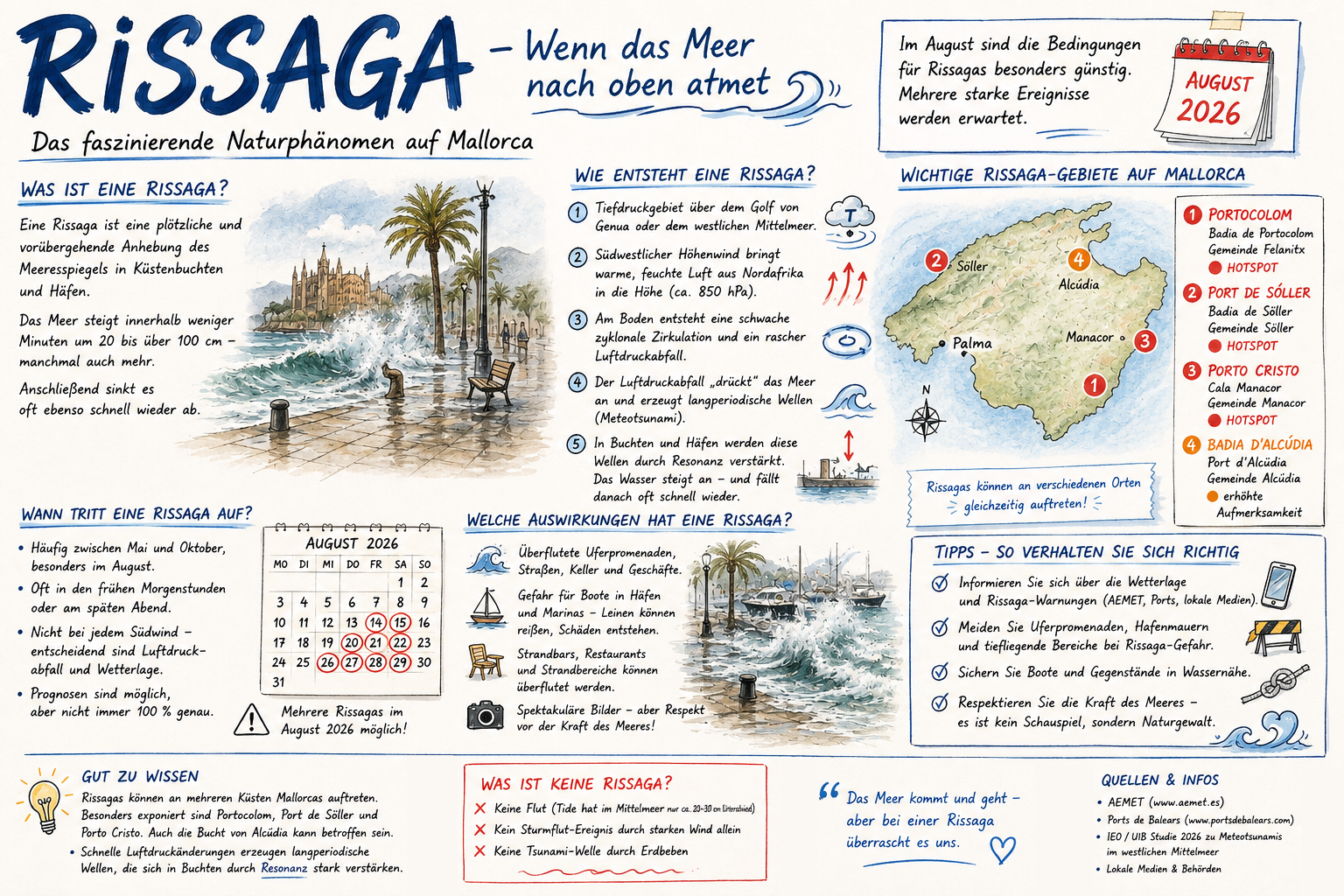
For Mallorca, this August has therefore been a remarkable Rissaga event: the combination of the documented events in Sóller and Andratx and the simultaneous warnings for other Balearic Islands makes it clear that meteotsunamis are an archipelago-wide weather and coastal phenomenon – by no means a problem exclusive to Menorca.
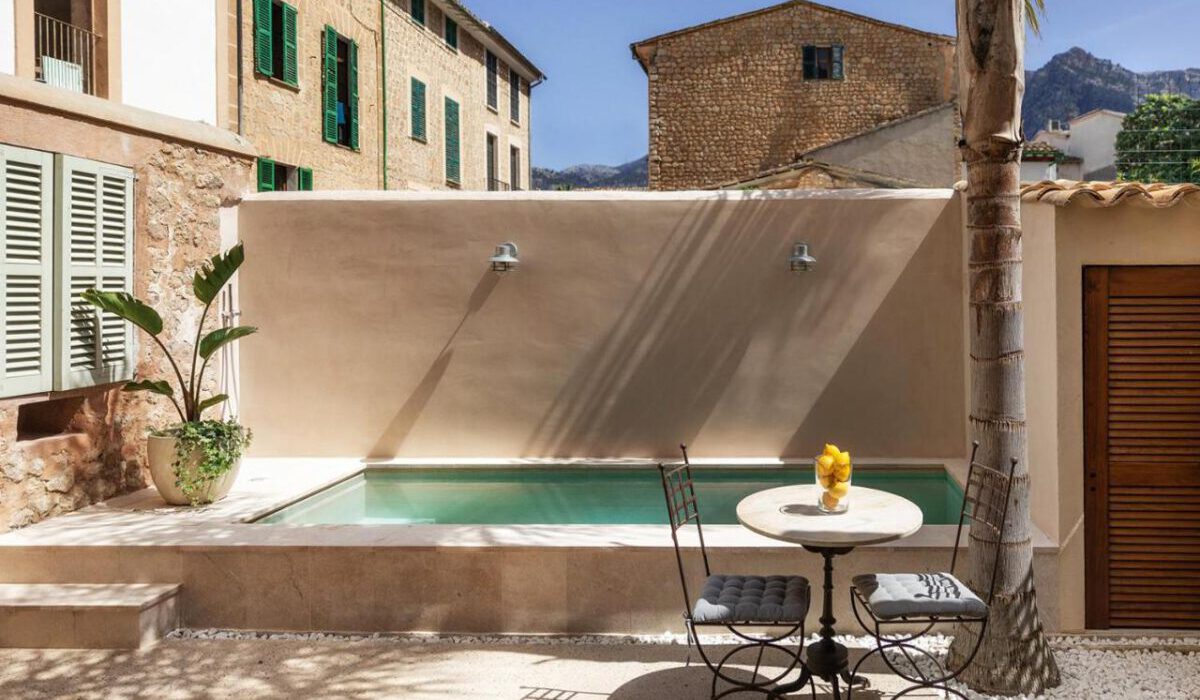
Post-Luxury: How the Balearic Islands are planning the next chapter in travel
For five decades, Mallorca, Ibiza and Formentera have been dream destinations, known for their glamorous beach clubs and hidden fincas, surrounded by the eternal sound of the Mediterranean. As DeluxeMallorca celebrates its 20th anniversary, we are witnessing a fundamental shift in traditional luxury tourism. The islands are leading the way in shaping the travel of tomorrow – an era in which artificial intelligence helps protect resources, and luxury is no longer measured by privilege, but by its regenerative footprint. As we position our platform as a visionary compass for the years ahead, we are following the pioneers who are not merely setting trends, but fundamentally changing the way we travel.
1. Regenerative Luxury
Across the Balearic Islands, renowned hotels hold official BREEAM certification, confirming rigorous standards for environmentally responsible and sustainable construction and operation.
- Six Senses Ibiza, Portinatx: This luxury resort was the first BREEAM-certified hotel in the entire Balearic Islands. It stands out for its own renewable energy sources, an on-site organic farm and a strong zero-waste concept.
- Hotel Bless Ibiza, Cala Nova: This hotel underwent the process of obtaining BREEAM In-Use certification in order to continuously improve its operational sustainability.
☀️ Mallorca
- Ikos Porto Petro, Porto Petro: This expansive resort is the first hotel in the “new build” category in Mallorca to receive a “Very Good” rating following an extensive refurbishment.
- Zoëtry Mallorca, Llucmajor: This exclusive boutique hotel, housed in a historic 14th-century manor, also holds BREEAM certification with a “Very Good” rating. It combines heritage preservation with modern sustainability criteria.
- AluaSoul Mallorca Resort & AluaSoul Palma: These properties are listed in the official BREEAM project database with BREEAM In-Use certification (rating: Excellent).
Further sustainable 5-star hotels in Mallorca by region
Agro-Luxury in the Heart of the Island
Finca Serena Mallorca, Montuïri
- Sustainability focus: Certified by Biosphere Sustainable. The 45-hectare estate uses solar energy as its primary source for heating water and has its own water treatment plant.
- Eco experience: A farm-to-tableapproach at Jacaranda restaurant. Much of the vegetables, herbs, olive oil and even the house wine come directly from the hotel's own organic gardens, orchards and vineyards.
Es Racó d’Artà, Artà
- Sustainability focus: The hotel is regarded as one of the island's most ambitious eco-luxury projects. The historic estate was renovated according to ecological building principles, using materials such as clay plaster and local timber, and operates on a fully regenerative basis.
- Eco experience: Alongside a self-sufficient solar energy system, the focus is on permaculture, flour produced from its own organically grown grain and meditation retreats in harmony with nature.
In the Tramuntana Mountains, South & North-West
Castell Son Claret, Es Capdellà
- Sustainability focus: Equipped with smart electricity and water meters, state-of-the-art energy monitoring and heat pumps to reduce CO₂ emissions. The hotel also donates €5 directly to the Marilles Foundation for every online booking, supporting the protection of the Balearic marine ecosystem.
- Eco experience: The hotel works with the local organisation ESMENT. Young people with disabilities receive training within the hotel operation and help maintain the organic garden, which supplies the Michelin-starred Sa Clastra restaurant. A unique feature: the pool water comes from the historic well and requires no chemical chlorination.
Four Seasons Resort Mallorca at Formentor, Pollença
- Sustainability focus: This recently refurbished, iconic luxury resort, set within a 1,200-hectare nature reserve, has received the prestigious LEED Gold certification for environmentally responsible and sustainable construction.
- Eco experience: In addition to state-of-the-art energy efficiency, the hotel offers guests an“Eco-Beauty Spa”concept as well as guided forest-bathing excursions, providing a mindful way to experience the protected peninsula.
Directly on the Coast, North & South
Iberostar Selection Playa de Muro Village, Playa de Muro
- Sustainability focus: EarthCheck certified. As part of Iberostar’s global Wave of Changemovement, the hotel uses 100% renewable electricity and is completely free of single-use plastics.
- Eco experience: The rooms feature their own drinking-water purification systems, with dispensers available along the corridors. Seasonally, the hotel offers exclusive excursions aboard a traditional llaüt (Mallorcan fishing boat), which has been fully converted to electric power and glides silently with zero CO₂ emissions.
Grupotel Parc Natural & Spa, Playa de Muro
- Sustainability focus: Located directly on the edge of the protected S’Albufera nature reserve. The hotel operates under strict environmental management systems to protect the sensitive transition between the dunes and the hotel gardens.
- Eco experience: The daily premium buffet features a “Bio Corner”offering certified, pesticide-free produce from local farmers.
With a Circular Zero-Waste Concept
Ecocirer Healthy Stay, Sóller
In Sóller, Ecocirerdemonstrates what the future of gentle, conscious individual tourism in the Mallorcan countryside could look like.
- What makes it special: It is a purely vegan-vegetarian organic micro-hotelfollowing a strict zero-waste philosophy.
- Future technology: The entire interior and design concept is based on upcycling and recycled local materials. Energy and waste flows are designed according to fully circular principles, certified under stringent circular-economy schemes.
2. The PICIB Project & AI-Powered Tourism Management Across the Balearic Islands
The Balearic Government has launched the pioneering Tourism Innovation and Circularity Project (PICIB), funded by millions in investment from the Sustainable Tourism Tax (ITS).
- What makes it special: Tourism businesses across Mallorca, Menorca, Ibiza and Formentera are being digitised and managed using artificial intelligence (AI).
- Future technology: Hotels use predictive AI algorithms to calculate the precise consumption of resources such as water, electricity and food waste, while optimising supply chains in real time with the aim of making them completely CO₂-neutral.
3. The Digital “Underwater Atlas”, Formentera & Ibiza
A prime example of how technology and gentle tourism can work hand in hand. Formentera is placing a strong focus on protecting Posidonia oceanica (Neptune grass), one of the Mediterranean’s most important oxygen producers.
- What makes it special: A state-funded app provides yacht holidaymakers and skippers with a digital underwater atlas.
- Future technology: The app uses GPS and satellite data to show precise, permitted anchoring locations. This helps prevent sensitive marine ecosystems from being damaged by anchor chains.
The Next Chapter
Since 2007, we have made it our mission to seek out the most progressive minds, the most visionary entrepreneurs and the “hidden champions” of the Balearic Islands. We have told their stories and curated journeys for cosmopolitans from around the world. Alongside our journalism, we will continue to bring pioneering concepts to life and make them accessible on the ground.
That is why we are transforming our platform: moving from simply observing to intelligent co-creation. Using predictive, AI-powered planning tools, we design itineraries that combine precise logistics with respect for nature. We turn stories into experiences. To help protect the ecosystem that has inspired us for the past 20 years, a percentage of our profits in our 2027 anniversary year will be donated to the Mallorca Preservation Foundation. If you are looking for eco-hotels and sustainable experiences across the Balearic Islands, we would be delighted to create a personalised journey for you. Simply email us at info@deluxemallorca.com is sufficient.
Our Mission Statement
“We do not believe in the status quo of travel. For two decades, the DeluxeMallorca team has documented the evolution of the Balearic Islands. Today, we use the intelligent technology of our time to transform our knowledge into sustainable holiday memories – for our readers and the clients of our travel agency.”

Unforgettable. Authentic. Mallorca. Unique island experiences.
Away from the crowds, the lesser-known side of Mallorca awaits. We've put together a selection of experiences that are sure to create unforgettable vacation memories. Egal, ob du mit Familie reist, ein romantisches Abenteuer als Paar suchst oder mit Freunden oder in der Gruppe die Insel entdeckst – dein perfekter Mallorca-Moment liegt noch vor dir.
1. Visit to a tile factory
The Experience: Immerse yourself in the world of traditional Mallorcan patterns. In two hours, you’ll learn everything about how these stylish, brightly colored tiles—“Made in Mallorca”—are made.
Perfect for: Interior design enthusiasts and connoisseurs.
Your memory score: Inspiration for your own home and a whole new perspective on Mallorca's architecture.
2. An Alpaca Walk Through the Backcountry
The Experience: Pure relaxation. You’ll hike through the unspoiled wilderness of the hinterland with fluffy alpacas on a leash.
Perfect for: Families with children and nature lovers.
Your memory score: Vacation photos that'll make you smile.
3. Distilling Your Own Gin
The Experience: Become a distiller! During an exclusive tour of a local distillery, you’ll learn all about Mediterranean herbs and, under expert guidance, distill your very own gin.
Perfect for: Couples and small groups.
Your memory score: Your very own bottle of Mallorca gin for the perfect sundowner.
4. SUP paddling in sheltered bays
The Experience: Glide across crystal-clear, turquoise waters. Whether you're relaxing with friends or following your coach's tips, you'll discover dream beaches from a whole new perspective.
Perfect for: Water sports enthusiasts and recreational athletes.
Your memory score: Absolute tranquility on the ocean as the waves gently lap against your board.
5. Snorkeling & Scuba Diving with an Instructor
The Experience: Discover Mallorca's magical underwater world. From a relaxed snorkeling class on the beach for beginners to a half-day boat trip to the cliffs—our instructors will show you the reefs.
Perfect for: Adventurers and explorers.
Your memory score: The sensation of weightlessness and the encounter with Mallorca's fascinating marine life.
6. Visit to a traditional glassblowing workshop
The Experience: Experience firsthand a craft that was recently designated a World Cultural Heritage site! Watch the masters at work by the glowing kiln, and then find your own handmade souvenir.
Perfect for: Culture enthusiasts and treasure hunters.
Your memory score: A genuine, centuries-old piece of Mallorcan culture you can experience firsthand.
7. Tapas Tour of Palma
The Experience: The way to the heart is through the stomach. Explore the capital’s historic streets with insider tips and visit four hand-picked, authentic restaurants. You’ll enjoy the island’s finest dishes and regional wines.
Perfect for: Foodies and connoisseurs.
Your memory score: The taste of authentic Serrano ham, pimientos, and more—far from the tourist traps.
8. Set Jetting in the Balearic Islands
The Experience: In Mallorca alone, there are currently 10 filming locations where more than 15 well-known TV and movie productions were filmed. With our itineraries, you’ll discover a total of 30 locations across the four islands.
Perfect for: Influencers, amateur photographers, and anyone else who likes to create eye-catching content on social media.
Your memory score: Hollywood-worthy selfies and Reels from the original locations of your favorite blockbusters.
9. Visit to an organic aloe vera farm
Stroll on your own through more than 200,000 organically grown medicinal plants. During a tasting session afterward in the finca’s courtyard, you’ll sample freshly harvested aloe juice and get a behind-the-scenes look at sustainable cosmetics production.
Perfect for wellness enthusiasts, families, and those seeking self-care.
The secret to natural skincare and an understanding of Mallorca's organic farming.
10. Gliding Silently on an Electric Catamaran
Glide across the turquoise-blue Mediterranean on a solar- and electric-powered catamaran. Without the noise of engines or exhaust fumes, you’ll set course for hidden marine protected areas.
Perfect for: Seaside lovers, active vacationers, and eco-conscious connoisseurs. Accommodates up to 12 guests for private stays or up to 45 guests for groups.
The feeling of freedom in harmony with nature, without leaving an ecological footprint.
Why book with DeluxeMallorca.com?
From 2 to 150 guests: For a private and intimate atmosphere.
Local Guides: You'll experience the island through the eyes of people who love Mallorca.
All-Inclusive Warranty: We'll take care of the tickets, guides, and making sure everything runs smoothly.
Book your preferred date now.
Send us a message at info@deluxemallorca.com – We'll make your vacation in Mallorca unforgettable.
Can't find the experience you're looking for here, or would you like to explore Ibiza, Formentera, or Menorca? Just ask us—we've known the Balearic Islands for 25 years and would be happy to help you find the perfect option.
We’re happy to help spread the word for providers of exciting high-end experiences in the Balearic Islands, so please write to us if you have any other ideas for day trips in the Balearic Islands that we should feature here.
VIP briefing for the Balearic Islands at the end of August 2026
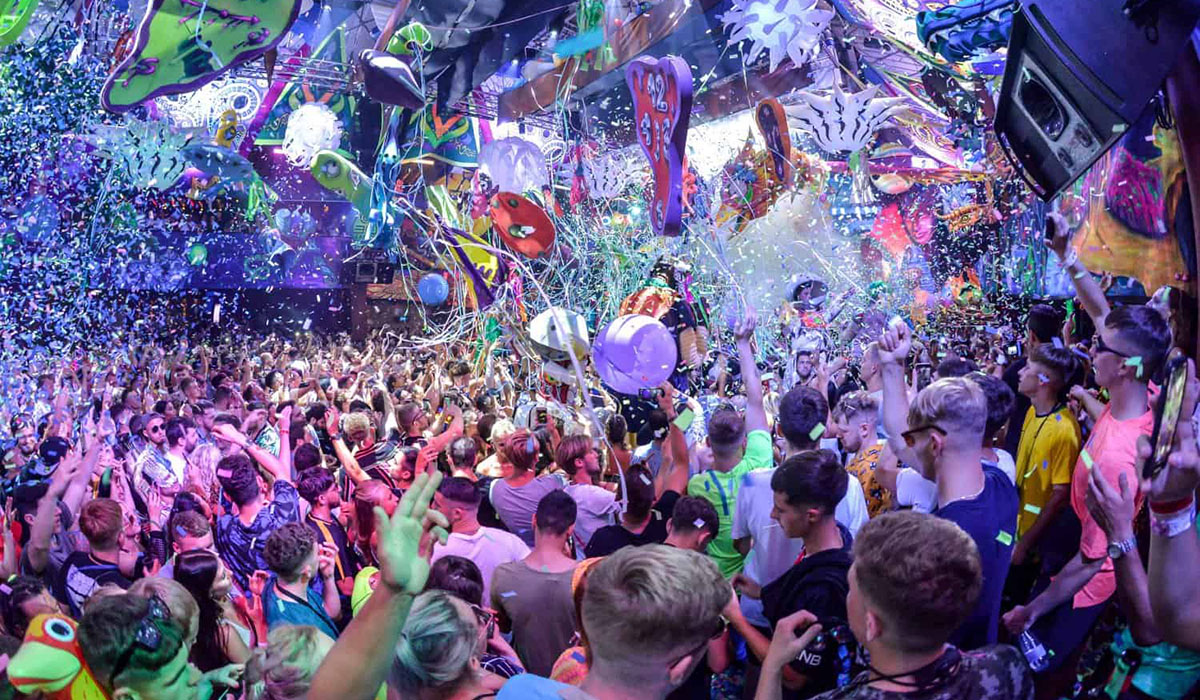
Here is your exclusive VIP briefing for the Balearic Islands, featuring the most high-profile events for the next 7 days. The islands are in the peak of the high season. Following the once-in-a-century total solar eclipse in the middle of the month, there is high demand for premium experiences, yacht moorings and VIP tables.
Mallorca: Jet-set marinas & open-air culture
Sunset Market in Puerto Portals
Wednesday 19 August & Thursday 20 August. The marina turns into a promenade until midnight.
Pollença Festival 2026
For lovers of classical music, the historic monastery of St Dominic is transformed into a stage for leading international orchestras and soloists.
Castell de Bellver (Palma)
On Thursday evenings, 20 and 27 August, the atmospheric Palma Jazz Festival will take place in the open air.
Es Jardí Festival in Calvià
The island’s leading open-air festival is once again offering exclusive hospitality areas, fine dining and private lounges for discerning guests, alongside international music acts, this week.
Nightlife
Saturday 22 August, Magaluf: A massive Afrohouse night with the ‘Afrodise’ event at the legendary BCM Mallorca from 10 pm.
Monday, 24 August, Magaluf: The Mamacita Party brings hip-hop and reggaeton to the BCM Mallorca.
Dinner show, Magaluf: The Pirates Adventure offers top-class acrobatics with a choice of dinner options.
Ballermann, Playa de Palma: At the Megapark and the Bierkönig, the big names in party music perform almost every day, taking turns in rapid succession. Entry is free during the day.
Festivals in August 2026
Festes de Sant Bartomeu in Sóller & Capdepera around 24 August: The patron saint is celebrated in style in several towns. In Sóller in particular, there are impressive correfocs, during which locals dressed as devils parade through the streets carrying fireworks.
The Festa de la Beata in Santa Margalida, from late August to late September: one of the island’s most traditional festivals begins in late August. It culminates in September with a grand procession, during which ‘dimoni’ try to snatch earthenware jugs from the locals and smash them on the ground.
Ibiza & Formentera: Stunning line-ups & drone spectacles
Sant Bartomeu Festival with a drone show
Sunday, 23 August. In the evening, from 11 pm, over 200 synchronised drones will light up the sky above San Antonio Bay, followed by a spectacular midnight fireworks display. Our concierge tip: book a private yacht or reserve an exclusive rooftop terrace to escape the hustle and bustle. Visit info@deluxemallorca.com.
Ushuaïa & Hï Ibiza – Peak Season
Sunday, 23 August. The world’s best clubs are operating at full capacity. This Sunday, heavyweights such as Calvin Harris and David Guetta (Future Rave / F*** Me I’m Famous) will be sharing the stages at Ushuaïa Ibiza. Make sure to book one of the exclusive private VIP boxes for undisturbed service. Bookings via info@deluxemallorca.com.
Mid-Summer Vibe
As the massive closing parties hosted by the giants Hï Ibiza, Ushuaïa and the new hyperclub UNVRS aren’t scheduled until October 2026, this week you can still soak up that laid-back, vibrant summer vibe without the extreme stress of having to leave as autumn sets in.
Menorca: Understated luxury for those seeking peace and quiet
Ukalari Menorca LifeRuns until Saturday 22 August. If you’re looking to get away from the hustle and bustle of the party scene, Menorca is the place for you. This ultra-discreet cultural and lifestyle event is specifically aimed at connoisseurs and those who value absolute privacy.
A culinary highlight in FornellsAugust is the absolute peak season for freshly caught Menorcan lobster (Caldereta de Langosta). Ask your concierge to book a table at one of Fornells’ exclusive cliff-top restaurants as soon as possible.
Last-minute VIP concierge tip
Due to the ongoing post-solar eclipse hype in August 2026, Class F & Prestige hire cars, last-minute private yacht charters for trips to Formentera, and VIP tables at Lío or Cova Santa are in high demand. Bookings should be secured immediately through agencies such as Deluxe Travel.
Enquiries regarding bookings We answer this at info@deluxemallorca.com.
Cover photo: Amnesia Ibiza
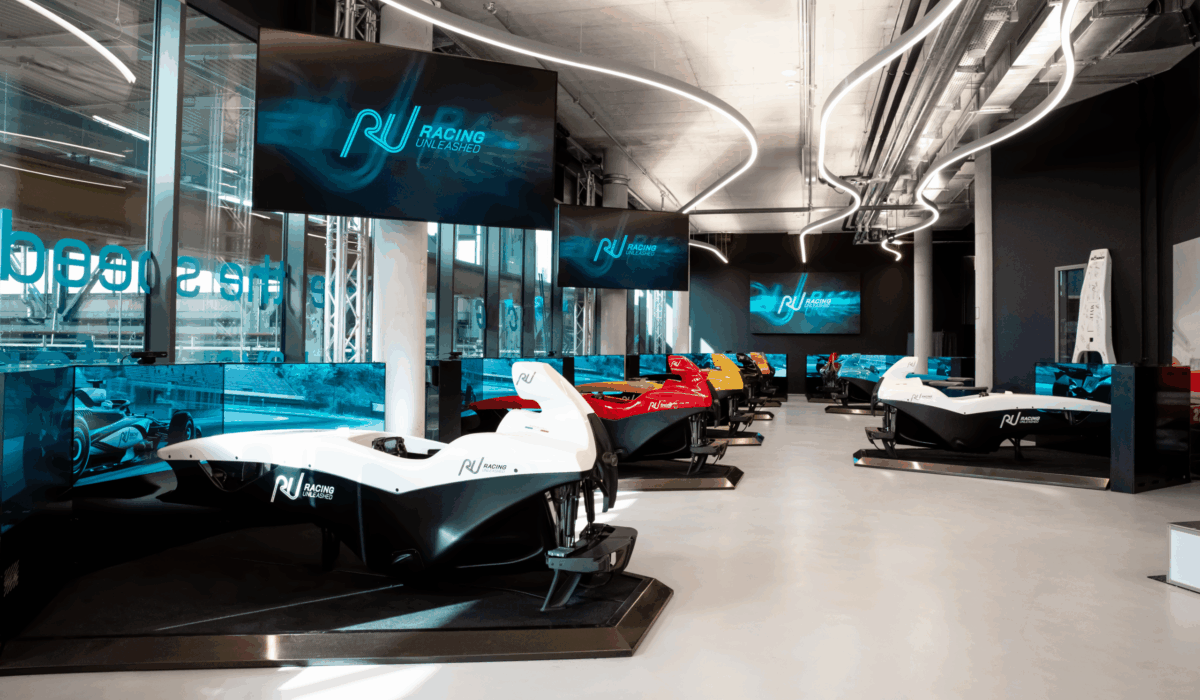
Formula 1 racing for everyone: Racing Unleashed Munich celebrates its anniversary
Half a decade of professional-level virtual motorsport: the Racing Lounge at Motorworld Munich will celebrate its fifth anniversary in the summer of 2026. Since opening in 2021, the Racing Unleashed venue in the north of the Bavarian capital has evolved from a visionary sim-racing concept into the place to be on the regional leisure, events and motorsport scene.
Sim Racing x Supercar Spirit
Set against the spectacular backdrop of Motorworld Munich, the Racing Lounge on the second floor offers a genuine Formula 1 lifestyle experience. Surrounded by urban industrial charm, classic modern cars and modern supercars, it creates a unique world of experience that delights petrolheads, event organisers and experienced sim racers alike, as well as curious newcomers.
Cutting-edge technology from Maranello
At the heart of the Racing Unleashed Lounge in Munich are twelve high-end racing simulators. The cockpits are developed and manufactured in Maranello, Italy – the world-renowned centre of motorsport. They combine proprietary hardware, specialised software and a high-performance IT infrastructure. The result is an utterly realistic, professional-level racing experience in which vehicle dynamics and track characteristics are simulated with precision.
The offer is aimed at beginners as well as ambitious riders: a quick adrenaline rush for in between starts with a 15-minute ‘Quick Ride’ for 30 EUR. Anyone wishing to work specifically on their performance and ideal line can book a one-hour, data-driven one-to-one coaching session, including a personal performance analysis, for 120 EUR.
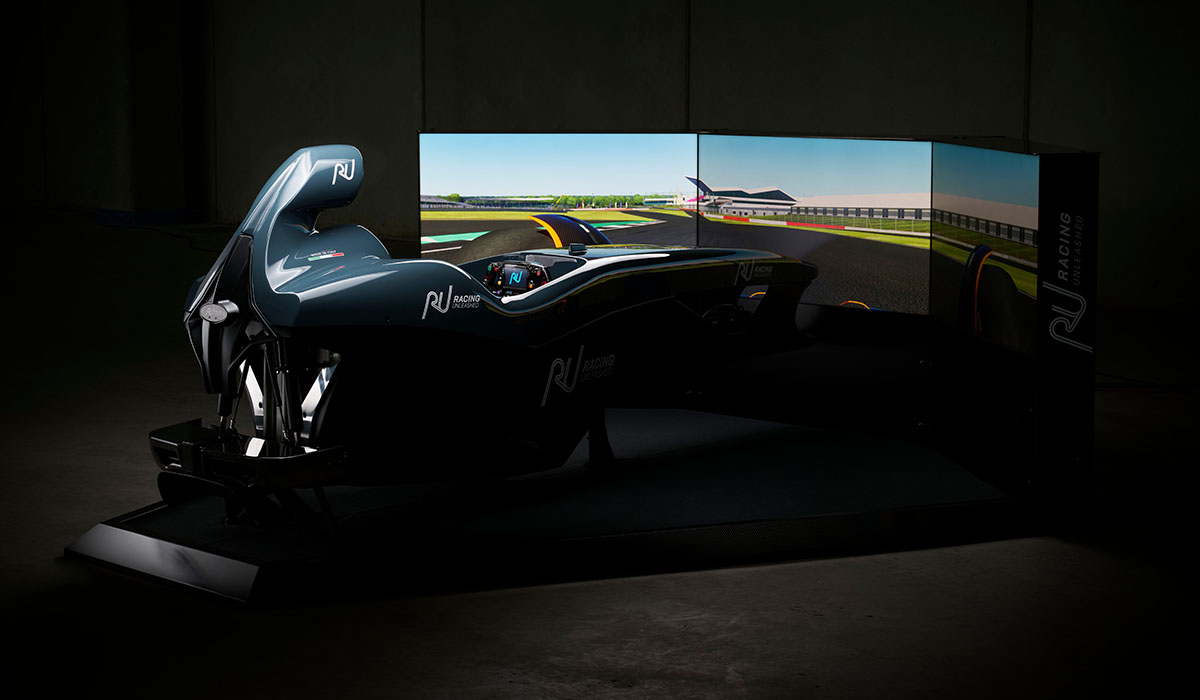
A hotspot for community and corporate events
Beyond the driving experience, Racing Unleashed Munich has established itself as an event venue and meeting place for the motorsport community. Companies make use of the combination of realistic racing simulation, state-of-the-art facilities and an exceptional atmosphere for corporate events, team-building activities and exclusive client events that offer a lasting experience.
The regular programme at the Racing Lounge includes:
A shared racing experience: Jeden Dienstag treffen sich Sim-Racing-Begeisterte zum "Track Tuesday" Community-Rennen. Dabei werden alle Racing Unleashed Lounges live miteinander verbunden, sodass Fahrer standortübergreifend in gemeinsamen Qualifyings und Rennen gegeneinander antreten.
Race Weekend Experience: At the so-called ‘Watch Parties’, fans watch selected official Formula 1 broadcasts on the lounge’s big screens. With the ‘Track Attack’ package (65 EUR, including two drinks), they first take part in a qualifying session and a race on the current Grand Prix circuit, with the winners receiving prizes before the real race gets underway live.
Professional sport up close: As the venue for the international RU Esports Series, the Racing Lounge regularly hosts top-class, live-streamed professional races, in which some of Europe’s best sim racers compete for championship points, hundredths of a second and prize money.
Well connected within the region
The venue’s success is due in no small part to strong regional partnerships. For example, Racing Unleashed Munich is part of the ADAC Vorteilswelt scheme, which means that members of the motoring club benefit from exclusive discounts.
Location information
Address: Motorworld Munich, Am Ausbesserungswerk 8 (2nd floor), 80939 Munich
Telephone | Email: +49 89 2000 340 70 | muenchen@racing-unleashed.com
Further information and bookings: racing-unleashed.com/lounges/munich
About Racing Unleashed
Racing Unleashed was founded in 2018 and is headquartered in Cham (ZG), Switzerland. The company develops and operates professional racing simulation technology and has an international presence through a growing network of high-quality racing lounges.
Using simulators developed and manufactured in Maranello, Italy, Racing Unleashed combines proprietary hardware, software and a high-performance IT infrastructure to enable professional-level racing simulation. The company’s aim is to make motorsport accessible to everyone – anywhere and at every level of ability, from beginners to experienced racers. It has offices in Madrid, Zurich and Munich.
The fascination doesn’t end at the virtual race track: many visitors make the most of their visit to stroll through Motorworld’s car exhibitions before or after the racing sessions and soak up the venue’s unique atmosphere.
Follow Racing Unleashed racing-unleashed.com
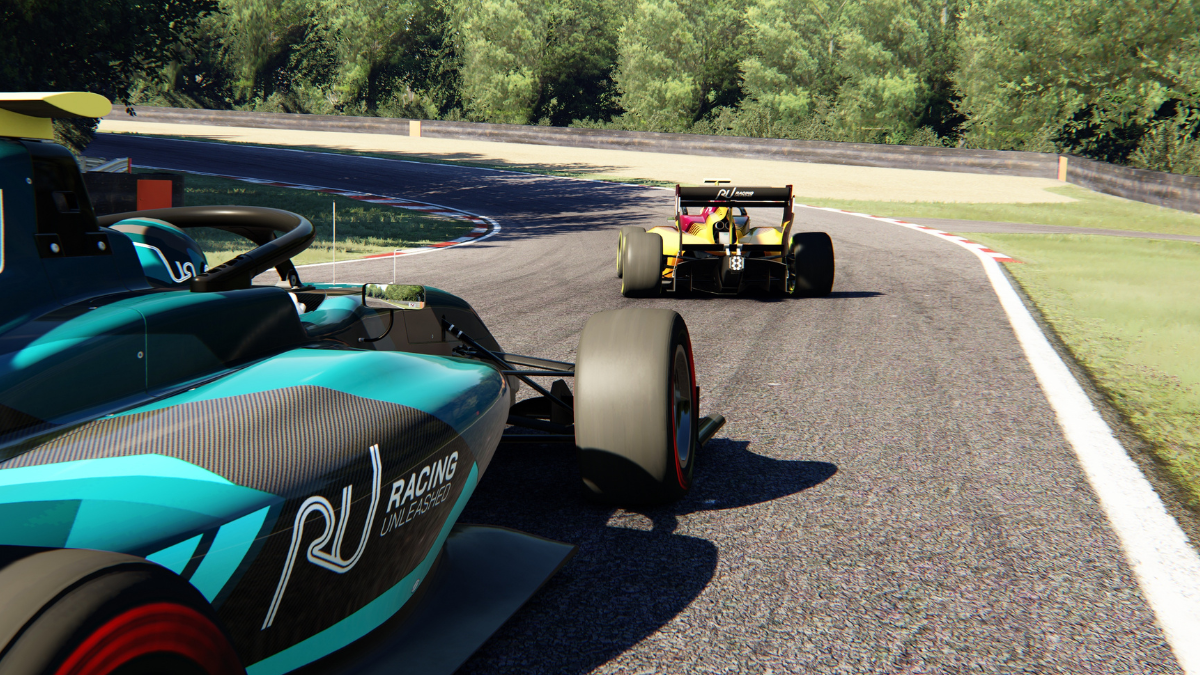
Our editor took a spin for you on the famous Formula 1 circuit at Monza, Italy. At Racing Unleashed On the virtual course, you experience the infamous hairpin bend as a physically tangible, highly realistic challenge under real racing conditions. The simulators in the lounges transfer the enormous forces generated during hard braking and cornering directly to your body. Make sure you fasten your seatbelts properly!
DeluxeTravel can organise experiences in the lounges for you on request – simply email info@deluxemallorca.com.